

Reduce Electricity Bills With New HVAC: 2026 Guide
Table of Contents
Why Your Old System Is Costing You More Than You Think
Understanding SEER Ratings and Energy Efficiency
Inverter vs Non-Inverter Technology
Victorian Energy Upgrades (VEU) Program: Rebates Explained
What the discount is actually worth to you
Upgrading From Gas Heating to Electric HVAC
HVAC maintenance tips for energy efficiency
The first 30 days after a new install
How to Reduce Electricity Bills With New HVAC: ROI Framework
Zoning and Multi-Room Efficiency
Post-Installation Optimization: Getting the Most From Your New System
Frequently Asked Questions
Last Updated: September 26, 2026
Why Your Old System Is Costing You More Than You Think
Aging heating and cooling equipment is one of the quietest drains on a household budget. As compressors wear and refrigerant levels drop, an old system has to run longer and harder to hit the same temperature, and every extra hour shows up on your next bill.
This guide explains how to reduce electricity bills with new HVAC, from understanding efficiency ratings to claiming the rebates that cut your upfront cost. The logic is straightforward: a system that's sized and installed correctly uses less power to do the same job, and modern inverter technology smooths out the peaks that punish older units.
What most guides miss is that the equipment is only half the story. Duct condition, zoning, thermostat habits and how well your home holds its temperature all decide whether a new system delivers the savings it promises.
Watch Out Replacing a system without addressing duct leaks or insulation is a common and expensive mistake. The new unit works harder to compensate, so your bills stay high and you've spent the money anyway.
Understanding SEER Ratings and Energy Efficiency
SEER (Seasonal Energy Efficiency Ratio) is a measure of how much cooling a system delivers for each unit of electricity it consumes across a typical cooling season. A higher SEER rating means more cooling per kilowatt-hour, which translates directly into lower running costs.
Inverter vs Non-Inverter Technology
An inverter system varies the speed of its compressor instead of switching it on and off at full power. That continuous adjustment avoids the surge in demand every time a non-inverter unit restarts, and it holds room temperature within a narrow band rather than swinging up and down.
Feature | Inverter System | Non-Inverter System |
Compressor behaviour | Varies speed continuously | Switches on and off |
Temperature stability | Holds within a narrow band | Wider swings |
Running cost | Lower over a full season | Higher in frequent use |
Best for | Living areas, bedrooms | Occasional-use rooms |
Victorian Energy Upgrades (VEU) Program: Rebates Explained
The Victorian Energy Upgrades program is a government scheme that creates tradeable energy-savings certificates for installing energy-efficient appliances, including heating and cooling systems. Retailers pass the value of those certificates to you as a discount, which is why the reduction normally appears at the point of sale rather than as a cheque in the post.
The product. Only models listed on the program's approved product register are eligible. A highly efficient unit that isn't on the register earns nothing, so check the model number against the current list before you sign.
The installer. The work generally has to be carried out by a provider accredited under the scheme. An accredited provider handles the certificate creation and the paperwork, which is why the discount can be applied upfront.
The property and the activity. Eligibility rules differ between upgrades, replacing an existing system is treated differently from a first install, and some activities carry conditions on the age or type of the equipment being removed.
Pro Tip Ask for the rebate to be shown as a line item on your quote, along with the approved product register reference for the model being installed. If a provider can't itemise it, you can't verify the discount is being passed on in full.
What the discount is actually worth to you
The certificate value is calculated from the energy the upgrade is expected to save over its lifetime, so a more efficient unit in a higher-use household generates a larger discount than the same unit in a rarely used room. That means two neighbours can receive different rebates for identical equipment. It also means the rebate should never be the reason you choose a system, it narrows the gap between a good unit and a great one, but it doesn't rescue a badly sized install.
Upgrading From Gas Heating to Electric HVAC
Switching from gas heating to a reverse-cycle electric system changes how you pay for warmth. Instead of a gas connection and a separate cooling unit, one heat pump handles both seasons, and you stop paying the daily supply charge on a gas account you barely use.
HVAC maintenance tips for energy efficiency
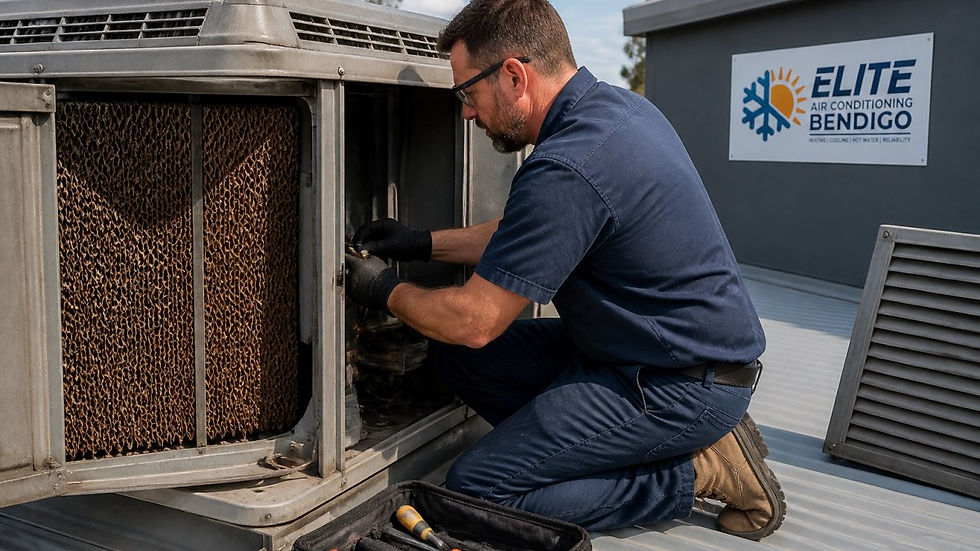
Regular maintenance keeps a system running at the efficiency it was rated for, but the reason is mechanical, not cosmetic. A restricted filter lowers airflow across the indoor coil, the coil runs colder than it should, and in humid conditions it starts to ice rather than transfer heat. The compressor then runs longer to reach the set point, and the energy you paid a premium for at purchase quietly disappears.
Clean or replace air filters every one to three months, and more often during heavy use or if you have pets
Clear leaves and debris from the outdoor unit and check it isn't boxed in by fencing or plants
Check that supply and return vents aren't blocked by furniture, curtains or rugs
Book a professional service before peak season rather than during it
Seal gaps around doors and windows to reduce draft
Confirm the thermostat is reading accurately against a separate thermometer
The first 30 days after a new install
Static pressure and airflow. Ductwork that was adequate for the old system can strangle a new one. Ask the installer to measure static pressure and confirm airflow is within the manufacturer's range for the model, not just that air is coming out of the vents.
Refrigerant charge by weight or subcooling. A system charged by guesswork can run a few percent below its rated efficiency indefinitely. The commissioning figures should be recorded on the paperwork.
Thermostat calibration and schedule. Confirm the reading matches a separate thermometer and that the schedule actually matches your routine, including weekends.
Zone damper behaviour. If you have zoning, check that closing a zone doesn't spike the static pressure or force the system to short-cycle.
A baseline bill reading. Record your meter reading at handover so you can compare the first full billing period against the same period last year, adjusted for weather.
Key Takeaway A new system only delivers its rated efficiency if airflow, charge and controls are verified in the first month. Treat the commissioning report as part of what you paid for, and ask for the measured figures in writing.
After that first month, the maintenance routine above is what holds performance steady. Skipping it doesn't just risk a breakdown, it slowly returns the system to the running costs you replaced it to escape.
How to Reduce Electricity Bills With New HVAC: ROI Framework
To reduce electricity bills with new HVAC, work out the payback before you sign. The framework is simple: estimate your annual running cost with the new system, subtract it from what you're paying now, and compare that annual saving against your out-of-pocket cost after rebates.

Zoning and Multi-Room Efficiency
Zoning lets you heat or cool only the rooms you're using instead of conditioning the whole house. In a home with a spare bedroom, a study, and a living area, running the whole system to keep one room comfortable wastes energy on empty space.
Key Takeaway Zoning is the highest-use upgrade for homes with rooms that sit empty most of the day. It cuts energy consumption without touching the equipment itself.
Post-Installation Optimization: Getting the Most From Your New System
Efficiency after installation comes down to how the system is set up and used. A thermostat programmed to match your daily routine avoids conditioning an empty house, and each degree of difference between the set point and outdoor temperature changes how hard the unit works.
Set a schedule that lowers heating or raises cooling while you're out
Use the economy or eco mode rather than running at full output
Keep doors and windows closed while the system runs
Don't set the temperature lower than you need in the hope it cools faster
Have the installer confirm airflow and refrigerant charge at handover
Frequently Asked Questions
How do I know if a new HVAC system will actually reduce my electricity bills?
A new system with a higher SEER rating uses less energy to deliver the same cooling output, so it should reduce electricity bills if the old unit was inefficient or poorly sized. The savings depend on your current system's age, your home's insulation and how you use the thermostat. Ask for a load calculation and a bill comparison before you commit, so you can see projected running costs rather than relying on a sales pitch.
What are the current Victorian energy efficiency rebates for HVAC?
The Victorian Energy Upgrades (VEU) program offers point-of-sale discounts on eligible heating and cooling upgrades, including some split systems and heat pumps. The rebate amount varies by system type, efficiency rating and whether you are replacing gas or electric heating. A registered provider can confirm your eligibility and apply the discount at the point of sale, so you do not pay the full amount upfront and wait for a refund.
Is it more cost-effective to repair or replace an old HVAC system?
Repair usually wins if the system is under eight years old, the fault is minor and the unit still has a decent SEER rating. Replacement makes more sense when repairs are frequent, the compressor is failing or the system uses older refrigerant that is expensive to source. A load calculation and bill comparison can show whether a new unit would pay for itself through lower running costs within a reasonable timeframe.
What maintenance steps keep a new HVAC system running efficiently?
Clean or replace air filters every one to three months, keep outdoor units clear of leaves and debris, and book a professional service before summer and winter. Sealing drafts around doors and windows reduces the cooling load so the system does not have to work as hard. A technician can also check refrigerant levels and calibrate the thermostat, which keeps energy consumption close to the rated efficiency.
Replacing an aging system only pays off when it's sized, installed, and used correctly, and that's the part most quotes gloss over. Elite Air conditioning Bendigo offers impartial advice across all major brands, expert design and load calculation, point-of-sale VEU rebates, and a free electricity and gas bill comparison so you can see the numbers before you commit. Get started with Elite Air conditioning Bendigo and turn your next bill into proof the upgrade was worth it.
Request a Quote


Comments